Basic FT style and tone
Article content should engage via fresh insight, concrete detail and case studies/examples. Ideally content should be written in plain English, avoiding first/second person, using quotes to add insight, rather than to drive narrative.
FT STYLE IN BRIEF:
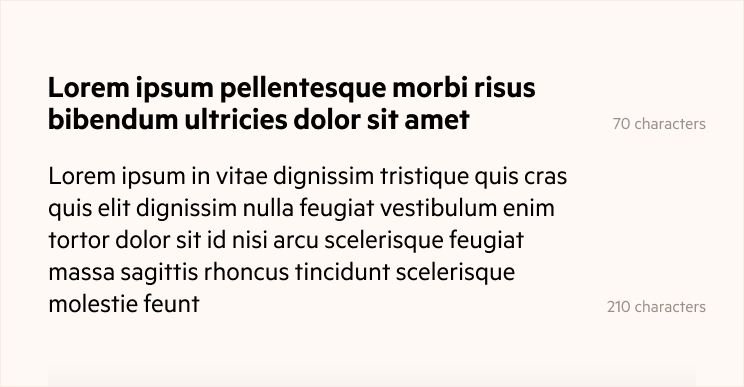
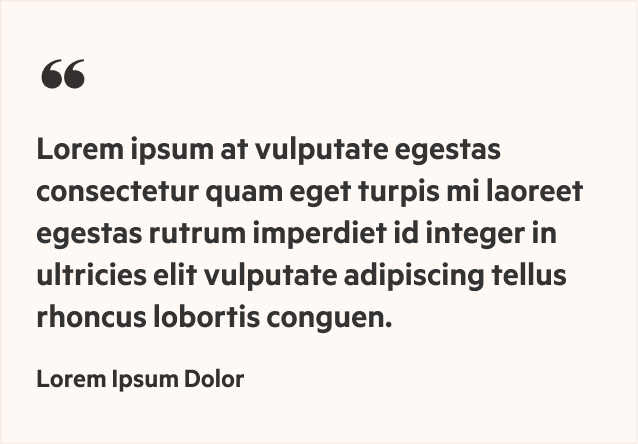
- Sentence case for heads, sells, subheads and pull quotes
- No caps after colons
- No full stops on heads, sells or pull quotes
- No Oxford comma
- Initial caps for job titles
- Double quotes are the rule, single for quotes within quotes
- Adjectival hyphens only if needed for clarity. Be consistent in this within a project
- N dashes with spaces for asides – like this
- N dashes closed up for spans of time, distance, etc, so 2022–23
- One to nine, 10 and up
- Per cent not percent or % (unless on a graphic)
- Recentish change to the way the FT abbreviates million: this is now mn, like bn and tn, so 5mn people
- Companies are singular
- Avoid first/second person
- Keep copy evergreen, so avoid “last year”, “recent”
- The United Kingdom is made up of Great Britain and Northern Ireland. Great Britain is England, Scotland and Wales (although many people from Northern Ireland regard themselves as British)
- UK spelling, so “ise” not “ize”, etc